


Pay-to-Play Art

A few days ago, I received yet another email, this time from a gallery in Russia. The opening line was familiar, almost boilerplate: "I am bla bla bla, curator at bla bla bla... I’ve been following your work, I admire your portfolio, and we would love to host your work in our gallery space with all expenses covered."
Up to that point, it sounds ideal. Until you read the fine print—or rather, until they start dripping the actual conditions onto you. Sure, the gallery space itself is provided for free, but the printing, shipping, and production costs? Those fall entirely on the artist.
That’s the exact moment you realize how the game is rigged. The exhibition stops being the natural culmination of a long, persistent journey and turns into a simple commercial transaction. The gallery ceases to function as an institution of selection, dialogue, and genuine artistic risk. Instead, it becomes a rentable space that the creator is expected to "buy" to display their work.
When the artist finances their own presence, the gallery takes on zero risk. They aren't investing in a voice they believe in. they're merely leasing their prestige. In doing so, art stops being a proving ground for personal discovery and becomes a tool for artificial validation.
That is the fundamental problem with this setup. When I have to pay to exist in an exhibition space, the gallery abdicates its role as a filter. Selection is no longer based on the artistic merit or depth of the work, but on whether the artist has the financial means to cover the bill. Since the gallery owner risks none of their own money, they have no real incentive to champion the work, attract serious collectors, or build the artist's reputation—their profit is already locked in.
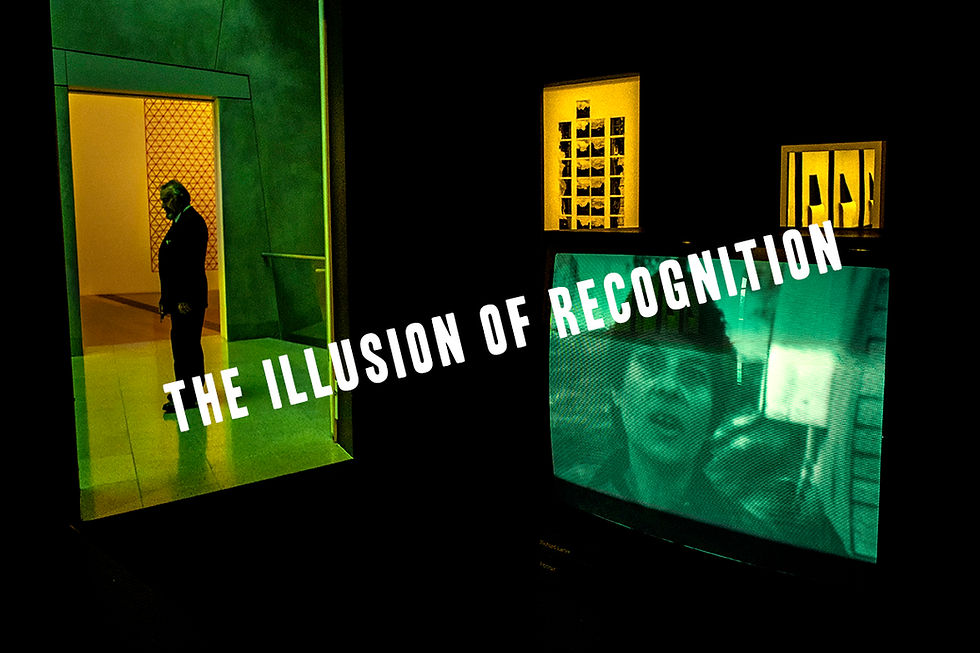
What’s left is a hollow illusion of recognition. You buy a brief moment of validation, add another line to your CV, and post a few photos on social media, but you've bypassed the real judgment of the art world and the public. Worst of all, it kills creative doubt. Authentic art grows out of struggle, questioning, and the drive to make an impact through the work itself. When exhibiting becomes a transactional service, you stop pushing yourself to dig deeper. Instead of discovering, you're just fulfilling an order. At the end of the day, it isn't a partnership—it's a disguised service agreement where the artist is downgraded from creator to client.


Comments