


Does a street photographer belong backstage ? Because "street" is a mindset, not a location.
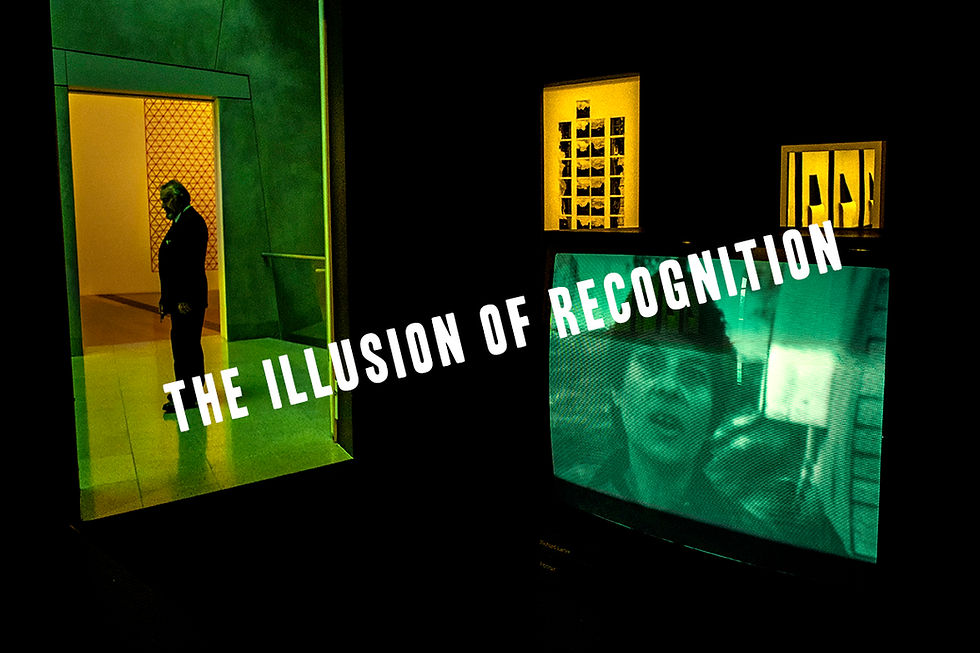
There is a thin line that separates the performance from reality, and that line is found backstage. When I was asked to photograph the backstage of two different plays using my "street" style, I knew I wasn't interested in staged smiles or perfect poses.
I was interested in the dust on the costumes, the anxiety in trembling hands, and the silence before the first round of applause. The place where theater stops being a role and becomes life. My philosophy remained the same as it is on the street: to become one with the walls, to not interfere with the flow, and to wait for the "decisive moment" amidst the chaos of preparation.
The most striking thing, however, wasn't what my eyes saw, but what I felt. More than five years passed between these two performances. The actors were different, the play was different, the venue had changed. And yet, the energy I absorbed was almost identical.
I realized that time does not alter emotion; the "ritual" of the backstage remains unchanged, like a universal constant waiting to be discovered, no matter how many years go by. It is the common denominator of creation: the same agony before the stage lights hit, the same electric silence.
Backstage, time does not move linearly. There is a constant shift of emotions. On one hand, the heavy anxiety and excitement that electrifies the air long before the curtain rises. On the other, the abrupt change in tempo every time an actor stepped off stage.
It was captivating to observe this transition: the moment someone shed their role and returned to their own breath, while the next person clenched their fists to step into the light. Within this controlled chaos, I captured the most honest moments. A quick sip of coffee, a cigarette burning down hastily, a word of support whispered in the dark. Laughter breaking the tension and hands touching shoulders in a silent promise that everything would be okay.
And then, the curtain opens for the last time and the actors stand lined up before the light. The audience’s applause hits like a wave – their greatest and most deserved reward. It is the moment when a smile finally emerges from behind the tension, and both their faces and bodies visibly relax.
At that exact point, I chose to lower my camera. I stopped shooting. I wanted to absorb a bit of that applause myself. Because on those nights, I felt I had a role too: not just to document a play, but to take a photograph of their soul. And watching the actors bow, I knew I had succeeded.



I usually prefer checking more than one source. This is another site I found recently: https://infowomenspace.com. As always, it is worth comparing the information with other sources.