


The Healing Power of the Moment Through street photography
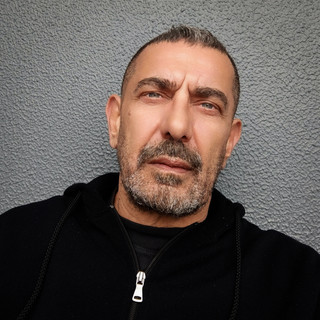
There are periods in life when time is not measured in seconds, but in the distance between two breaths. For me, this measurement began in 2007. It was the year when the first panic attacks invaded my life, overturning everything and gradually leading me into a state of deep internal isolation.
For someone whose daily life was the street and contact with the world, this forced distance from reality was a major challenge. The fear of another attack locked me inside my home, which turned from a sanctuary into a place of confinement. The only window I had left was the computer screen. I would hunch over the keyboard, trying to convince myself that life "in there" was enough, while in reality, I felt a deep hesitation toward anything that lay beyond my front door.
The Camera as a Sacred Filter
But, as they say, everything happens for a reason. Within the silence of that period, I began to observe the lives of others through photographs. I started to study the light, the shadows, and the details I used to overlook. Somewhere in there, a quiet desire was born: to see the world again, but this time on my own terms.
I picked up my first camera and began to venture out cautiously, seeking the serenity of the city's quiet hours. There was an inner inhibition regarding crowds, but holding the camera in my hands, something profound happened: The back screen of my camera became my bridge to reality.
When I looked through the screen, the chaos of the city fell into order. My mind stopped being in a defensive state. Inner tension was replaced by the anticipation of composition. The question was no longer "will I make it?" but "how does the light fall on this alleyway?". The camera gave me permission to be present, offering a sense of security and purpose.
Meditation in Motion
What I discovered along the way is that street photography is the ultimate exercise in mindfulness. On the street, you cannot photograph yesterday, nor tomorrow. You must be there, in the absolute now. You must listen to the rhythm of the city, anticipate movement, and feel the shifting light.
This process offers a new "rewiring" of the way we think. It teaches you to look for beauty in the ordinary. Photography trains you not to pass life by, but to observe it. And when you observe, anxiety recedes, because creative curiosity occupies all the space within you.
Liberation in Shibuya
This journey led me years later to Japan. I was standing at the Shibuya crossing, in the center of a human ocean. Hundreds of strangers moved around me in a dance that once would have made me retreat. And then, a miracle happened: I felt absolute peace.
There was no longer a need to protect myself from the "outside." There was only the joy of observation. At that moment, I realized that my inner balance had been restored. I left every old "crutch" behind, realizing that photography had already done its work.
A Sweet Conclusion
Today, nearly 19 years later, I know that all those difficult years had a purpose. They taught me to truly see. They taught me that even on the greyest days, there is always a detail worth our attention.
The only reason I share these personal experiences is the hope that my journey might offer some momentum to anyone struggling with their own "shadow" right now. If you feel that your daily life has lost its color and the distance from the outside world feels insurmountable, I want to tell you that the solution might lie in something simple.
Pick up a camera. Even your phone. Get out on the street and look for that moment that makes you feel like you belong in the flow of life again. The journey is demanding, but the beauty waiting for you is worth every step. I know it well now: photography, beyond being an artistic expression, is the way we return to the world and, ultimately, to our very selves.



Comments